


We spend billions every year on the “perimeter.” We have Next-Gen Firewalls, AI-driven EDRs, and Zero Trust architectures. Yet, according to the World Economic Forum’s 2026 Global Cybersecurity Outlook, the vast majority of successful breaches still share a single, frustratingly human root cause.
The biggest online threat you face in 2026 is not a “super-virus” or a zero-day exploit. It is the manipulation of your trust through AI-driven Social Engineering.
In 2026, hackers have moved away from brute-forcing passwords. Instead, they are brute-forcing people.
1. The Weaponization of the “Human Layer”
For years, the “Human Layer” has been called the weakest link in security. In 2026, this link has been professionally industrialized.
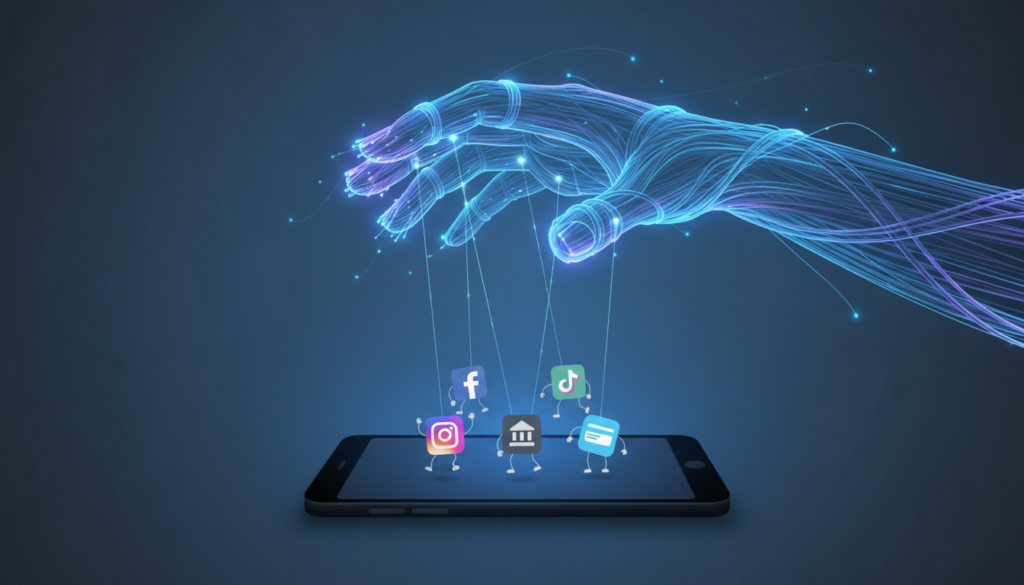
Attackers are no longer sending misspelled emails from “princes.” They are using Agentic AI—autonomous software agents that can conduct reconnaissance on your LinkedIn, Twitter (X), and company website to craft a perfectly personalized “lure.”
These AI agents don’t just send one email; they hold entire conversations, mimicking your boss’s writing style, your colleague’s jargon, and your company’s sense of urgency.
- The Threat: If an attacker can convince you to “log in” to a fake portal or “verify” a transaction, no amount of encryption can save you.
- The Statistic: Industry reports show that over 80% of data breaches now involve the use of stolen credentials or social engineering.
Technical Insight: Explore theMITRE ATT&CK Framework on Social Engineeringto see how modern adversaries use “Initial Access” to compromise enterprise environments.
2. The Rise of Deepfake Deception (BEC 2.0)
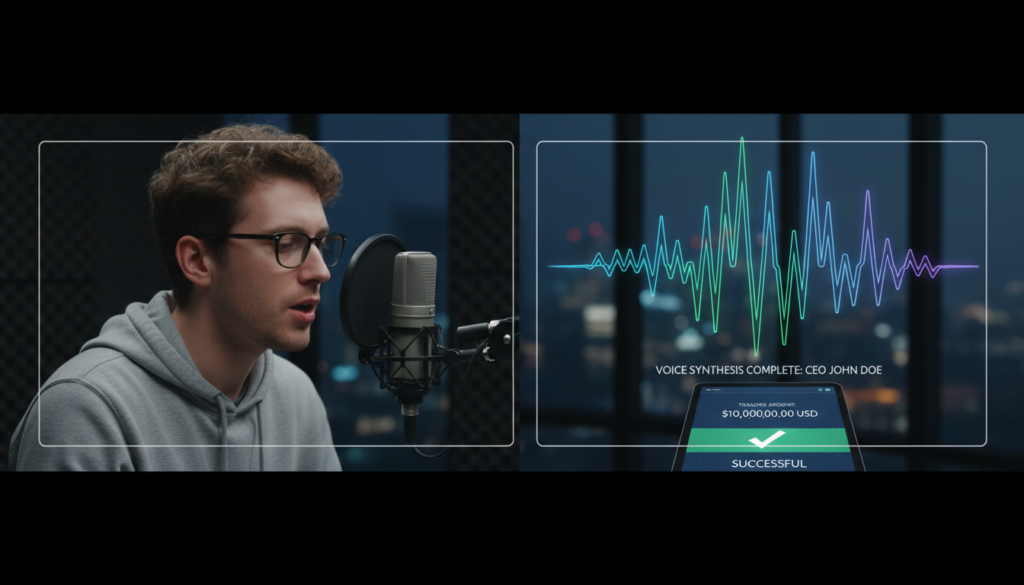
In 2026, “seeing is no longer believing.” The convergence of high-fidelity voice cloning and real-time video deepfakes has given birth to Business Email Compromise (BEC) 2.0.
We have seen cases where entire finance teams were tricked into a video call where every participant—except the victim—was an AI-generated deepfake of the company’s executive board.
- The Threat: Real-time vishing (voice phishing) that sounds exactly like your CTO asking for an emergency password reset.
- The Defense: Traditional MFA (Multi-Factor Authentication) is being bypassed by “MFA Fatigue” or session-token theft. The only defense is a culture of Out-of-Band Verification.
3. Multi-Extortion: Beyond Just Encryption
Ransomware has evolved. It is no longer just about locking your files. In 2026, we face Triple Extortion:
- Encryption: Your systems are paralyzed.
- Data Exfiltration: Your sensitive data is stolen and will be leaked if you don’t pay.
- Public Sabotage: The attackers contact your clients, your regulators, and the media to destroy your reputation.
The “Online Threat” is now a 360-degree psychological and financial assault.
How to Defend Your Digital Self
To survive the 2026 threat landscape, you must shift your mindset from “Tool-First” to “Protocol-First.”
- Phishing-Resistant MFA: Move away from SMS codes. Use hardware security keys (like Yubikeys) or Passkeys that cannot be easily intercepted by AI proxies.
- Zero Trust for Humans: Just because the voice sounds like your boss doesn’t mean it is. Implement a “Verification Protocol” for all sensitive requests—call them back on a known, separate number.
- Security Debt Audit: Find your “Shadow IT.” Attackers love old, forgotten accounts and unpatched legacy systems that sit outside your main defenses.
Read the Full Report: For a deeper dive into these macro-trends, review theWorld Economic Forum Global Cybersecurity Outlook 2026.
The Takeaway
The biggest threat isn’t “the internet”—it’s the way we interact with it. As AI makes deception cheaper and more scalable, your greatest firewall is a healthy sense of skepticism and a rigorous adherence to security protocols.