
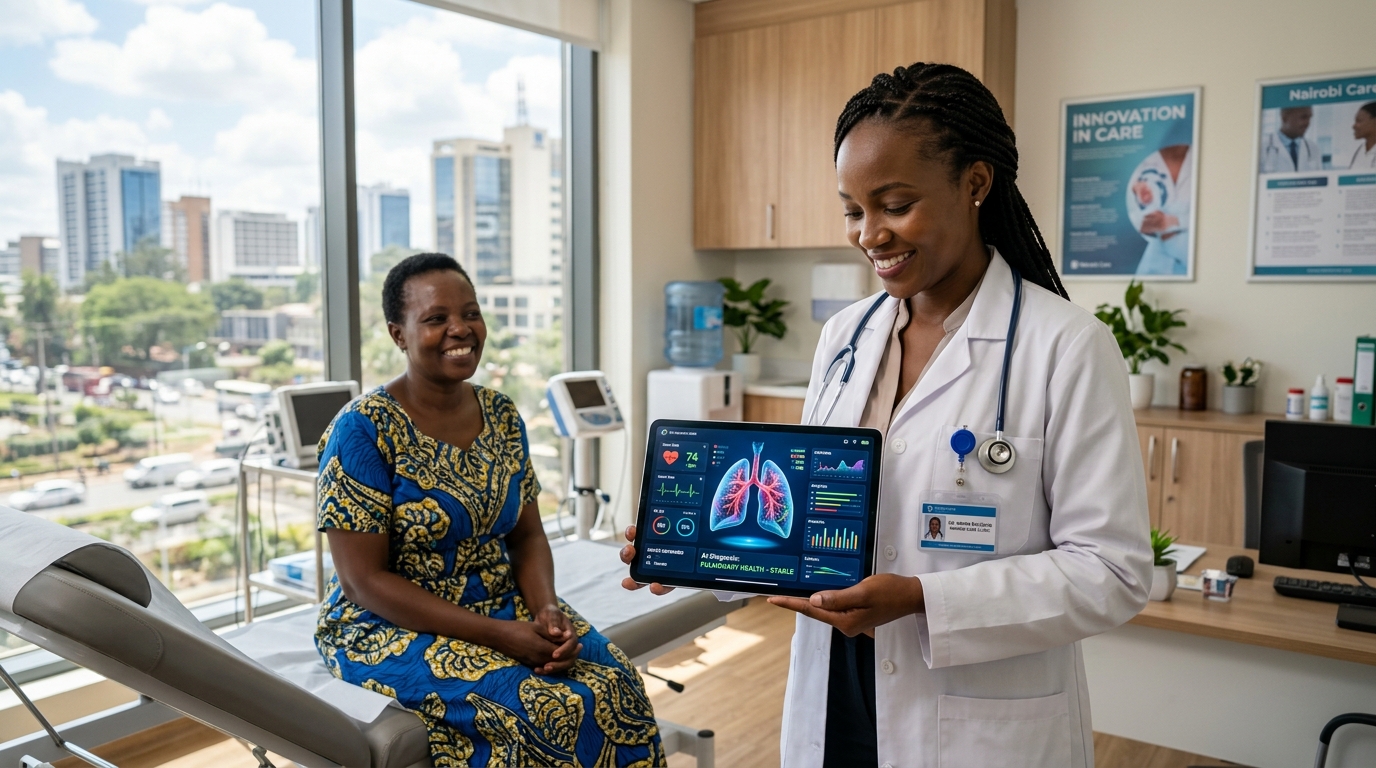

The conversation surrounding healthcare in Africa has undergone a fundamental shift in 2026. At the recent World Health Summit Regional Meeting, global and local leaders made one thing clear: digital technology and AI are no longer luxury items they are strategic tools for health sovereignty.
With severe gaps in medical infrastructure and a staggering doctor-to-patient ratio across the continent, AI is stepped in as the ultimate “force multiplier” for African health tech startups, clinics, and everyday patients.
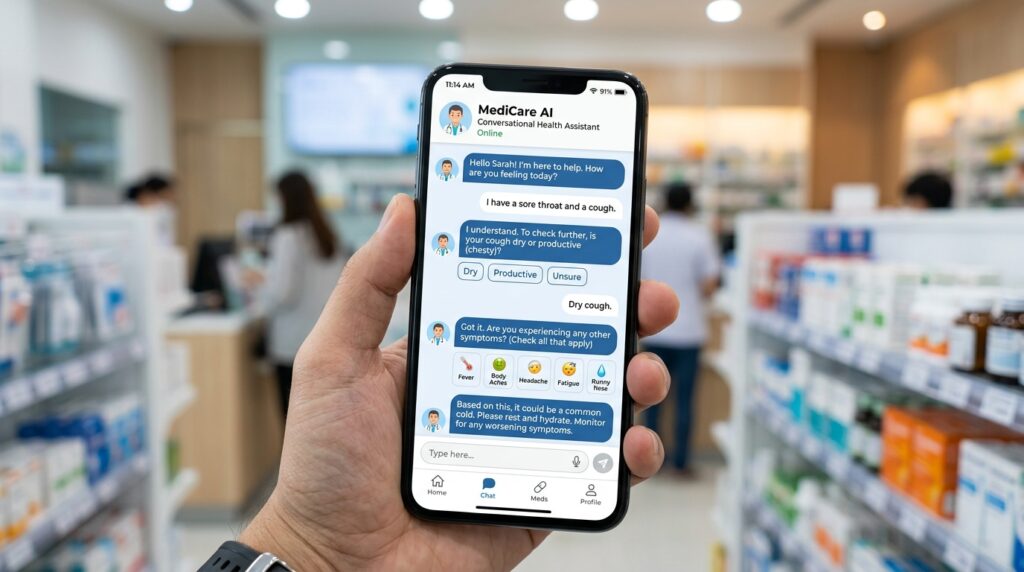
1. The Chatbot Triage: Changing the First Medical Consultation
Because getting to a physical clinic can take hours of gridlock or travel, African patients are taking health care into their own hands. A 2026 Google–Ipsos survey revealed that 88% of adults in Nigeria have utilized AI chatbots for daily tasks, including early health-related queries—a rate significantly higher than the global average.
- The Reality: AI isn’t replacing doctors; it is rewriting how patients decide when to see one. Instead of waiting until a condition becomes critical, people use conversational AI to analyze symptoms early.
- The Business Impact: Local health innovators, such as Nigeria’s Medvax Health, are scaling these tools to ensure digital chat applications link directly to verified pharmacy networks and primary care clinics.
2. Moving from “React-and-Rescue” to Prevention-First
In 2026, the economic burden of running reactive healthcare facilities is unsustainable. Leading African health networks are shifting to a Prevention-First Operating Model (PFOM) powered by predictive analytics.
- Early Risk Flags: AI software can now analyze diagnostic imaging or patient history to catch signs of chronic illnesses, complex cardiovascular anomalies, or maternal health issues (like preeclampsia) long before clinical symptoms peak.
- Global Capital Infusions: This massive shift is driving massive investments. For instance, the May 2026 Gates Foundation and Anthropic $200 million partnership is explicitly funneling AI resources into country-led health data systems across Sub-Saharan Africa to track disease trends in real-time.
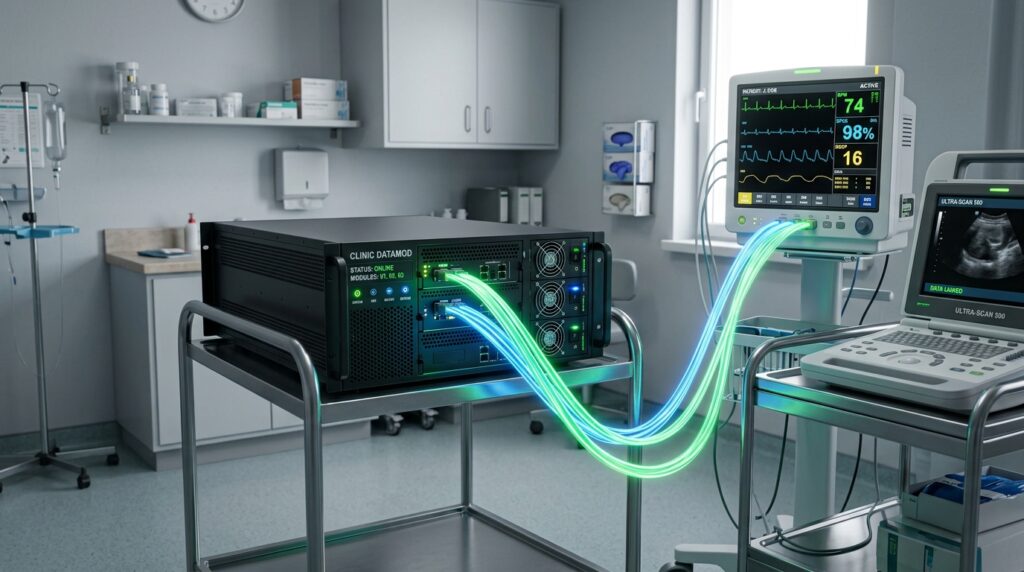
3. “Edge AI”: Bypassing the Infrastructure Bottleneck
To unlock the full potential of AI in Africa, businesses have had to solve a major challenge: power reliability and cloud latency. In 2026, the solution is Edge AI.
Instead of relying on distant cloud data centers that can be cut off by internet drops or power fluctuations, progressive African hospitals are using localized, modular data processors.
- Immediate Decisions: Latency-sensitive applications, like real-time patient monitoring or analyzing emergency stroke brain scans, happen directly on-site.
- Resilience: Localized computing ensures that even if the central network goes offline, the hospital’s diagnostic capability stays online.
The 2026 Health-Tech Action Checklist
To align with this week’s theme of Action, here is what forward-thinking medical businesses and clinics must prioritize today:
| Focus Area | 2026 Actionable Move | Expected Value |
| Patient Onboarding | Deploy integrated AI symptom-triage bots. | Reduces front-desk burnout by 35%. |
| Infrastructure | Adopt Edge AI computing for diagnostic tools. | Guarantees zero-downtime medical analysis. |
| Governance | Audit AI tools against NDPR and local medical ethics. | Builds critical patient data trust. |
| Partnerships | Connect standalone digital health apps to physical clinics. | Ensures effective patient follow-through. |
The Takeaway
AI in African healthcare is not a replacement for human empathy; it is the infrastructure that gives medical professionals the breathing room to provide it. By embracing machine-speed diagnostics and preventative data tools, African businesses are building a resilient, world-class care system from the ground up.
Talk Africa+: The Impact of Technology on Africa’s Healthcare
This video breaks down key insights from regional health summits on how digital infrastructure and AI systems are accelerating the push toward universal healthcare coverage across African nations.