
In the IT world, we are professional skeptics. We’ve seen “unhackable” systems fall in hours and “revolutionary” security startups disappear after a single CVE.
By 2026, the “Security Stack” has become bloated. We have layers for everything—cloud security, endpoint protection, email filtering, and identity management. But when the chips are down and a sophisticated threat actor is knocking at the door, most pros fall back on one or two “Gold Standard” tools they trust with their lives (and their data).
So, let’s cut through the marketing noise. What is the one tool in your kit that is non-negotiable?
1. The Heavyweight Champ: Hardware Security Keys
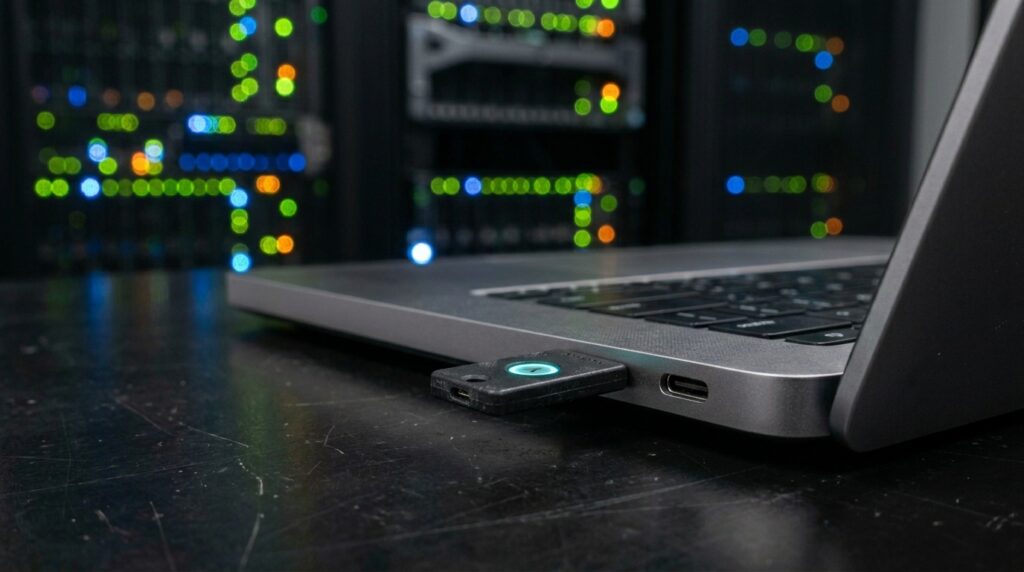
If you ask a Room of CISOs what their “final boss” of defense is, 90% will point to their FIDO2/WebAuthn Hardware Keys (like the YubiKey 5 Series or Google Titan).
In 2026, software-based Multi-Factor Authentication (MFA)—including SMS and even some TOTP apps—is increasingly vulnerable to “MFA Fatigue” attacks and AI-driven proxy phishing. Physical keys provide something software can’t: Physicality.
- Why we trust it: It is mathematically impossible to phish a hardware key. The “handshake” happens between the hardware and the browser, ensuring the site you’re on is legitimate.
- The 2026 Context: Even as “Passkeys” become the consumer standard, IT pros still prefer the “Air-Gapped” nature of a physical key that stays on their keychain.
Technical Deep Dive: Read the officialFIDO Alliance Specificationsto understand why hardware-backed identity is the only true defense against modern session hijacking.
2. The Command Center: Password Managers
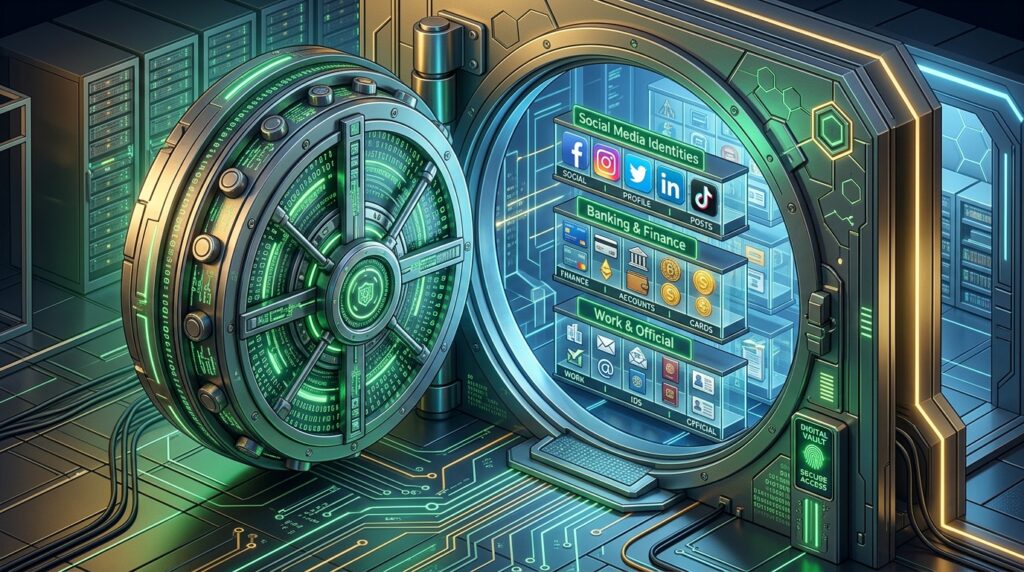
We have moved past the era of “remembering” passwords. In 2026, a password manager isn’t just a convenience; it’s a vault for our entire digital existence.
The conversation usually splits into two camps:
- The Open-Source Purists: Those who swear by Bitwarden (often self-hosted) because they can audit every line of code.
- The UX Enthusiasts: Those who stick with 1Password for its superior integration and “Secret Key” architecture.
- Why we trust it: These tools allow us to use unique, 64-character, high-entropy passwords for every single service. They turn the “Human Layer” from a vulnerability into an asset.
3. The Network Ghost: Tailscale & Zero Trust
In 2026, the “Traditional VPN” is dying. It’s being replaced by Mesh VPNs and Zero Trust Network Access (ZTNA).
Tools like Tailscale (built on WireGuard®) have earned massive trust in the IT community. They allow pros to create secure, encrypted networks between devices without the headache of managing complex firewall rules or exposing ports to the open internet.
- Why we trust it: It’s “Zero Config” but “High Security.” It assumes the network is compromised and encrypts everything point-to-point.
Industry Standard: For those interested in the protocol behind the speed, check out theWireGuard whitepaper—the foundation of modern trusted networking.

The Big Question: What’s Your Pick?
Security is personal. Your choice of tools depends on your specific threat model. Some pros won’t touch a tool unless it’s open-source; others want the backing of a multi-billion dollar security firm with a 24/7 SOC.
Let’s drive the conversation in the comments:
- If you could only use ONE security tool for the rest of the year, what would it be?
- What is one “popular” tool that you absolutely DO NOT trust?
- Is there a newcomer in 2026 that has surprisingly earned a spot in your daily stack?
The Takeaway
The tools we trust the most are rarely the flashiest. They are the ones that do one thing exceptionally well, rely on open standards, and have a proven track record of transparency.