
The perimeter didn’t just dissolve in 2026; it relocated directly to the individual identity packet. As African businesses complete their digital transformation, moving beyond basic SaaS into complex, distributed cloud architectures, the fundamental concept of “trust” has been rewritten.
To mirror this week’s theme of Actionable Resilience, this guide moves beyond generic advice. We are focusing on the specific architectural, regulatory, and infrastructural realities of operating a secure cloud environment within Africa today.
1. Governance First: Navigating Data Sovereignty
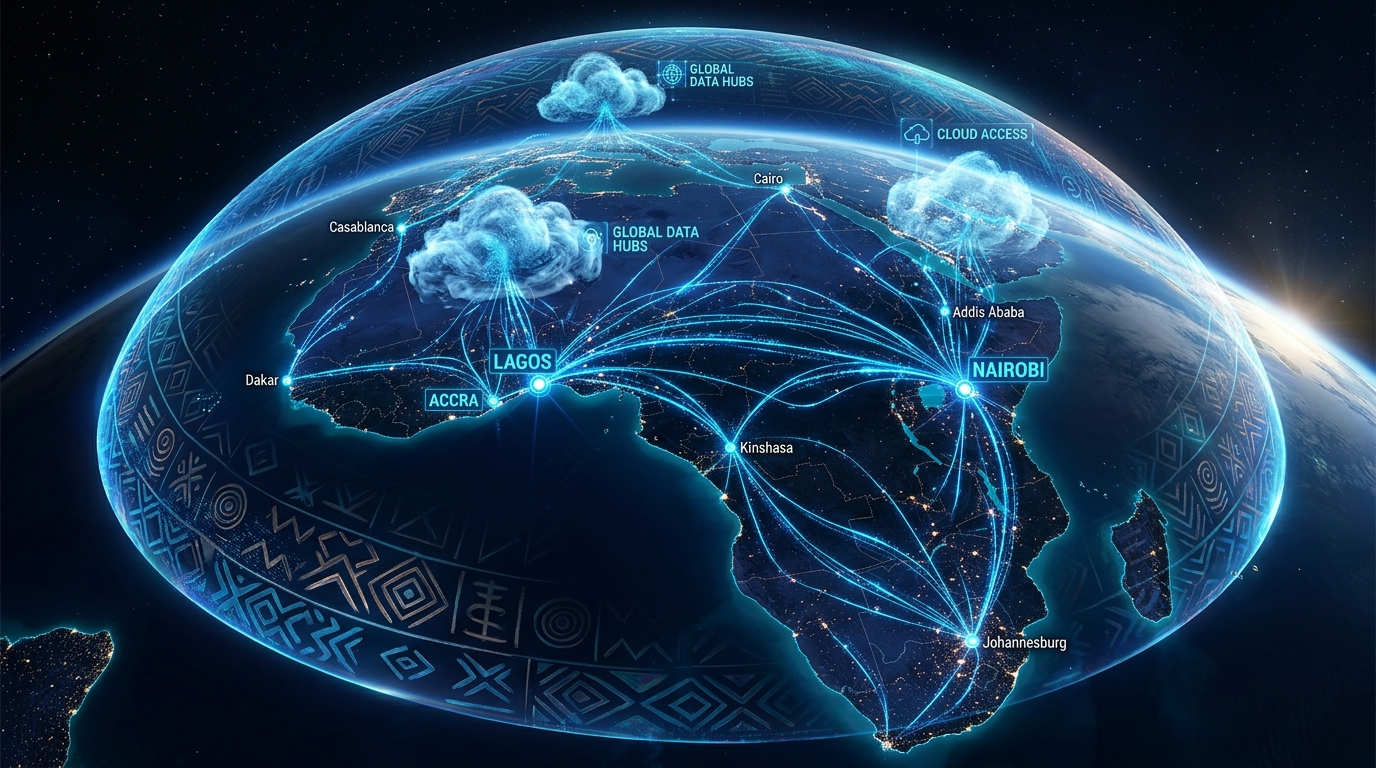
The most critical best practice in 2026 is Governance by Design. Data sovereignty—the principle that digital data is subject to the laws of the country in which it is located—has become the primary driver of cloud architecture in Africa.
The Nigerian NDPR Factor
If your business operates in Nigeria, your cloud strategy must align with the latest interpretations of the Nigeria Data Protection Regulation (NDPR). You cannot simply “default” your storage to the cheapest AWS region (often North Virginia or Frankfurt) without understanding the legal implications.
2026 Best Practice: “GEO-AWARE” Architecture
Your cloud templates must automatically route and store sensitive citizen data (KYC, medical, financial) within Nigerian borders or inside jurisdictions with recognized adequacy agreements. Your infrastructure-as-code (IaC) must enforce these GEO-fencing rules dynamically.
2. Identity is the New Perimeter: Zero Trust Access
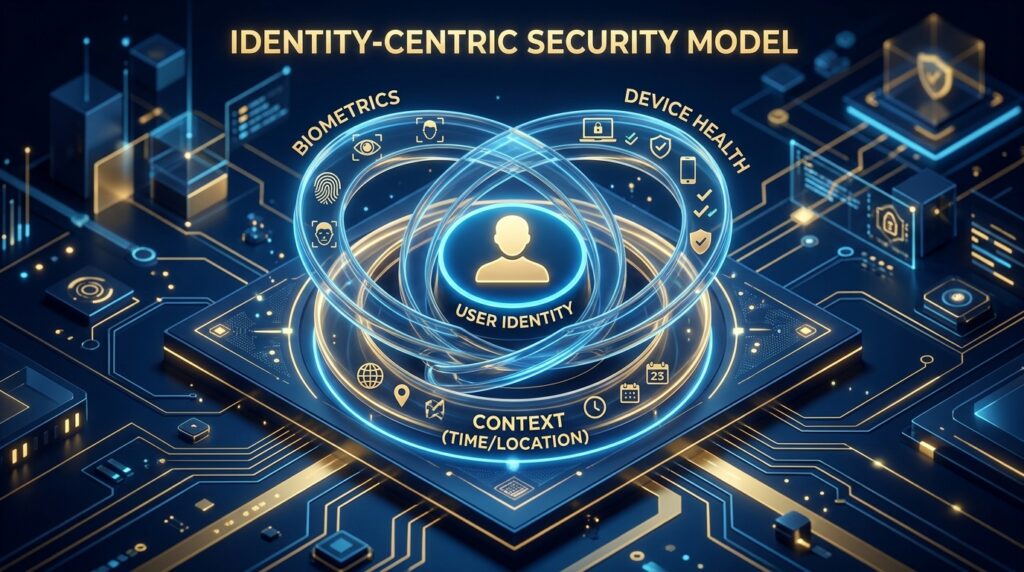
Firewalls and VPNs were the defenses of 2020. In 2026, your primary defense is Robust Identity Management. If an attacker steals a user’s credentials, they are inside your perimeter, bypassing all network-level controls.
Best Practice: Phishing-Resistant MFA
Ditch SMS and generic authenticator apps. In 2026, the standard is FIDO2 Hardware Security Keys (like YubiKeys) or device-bound passkeys. These methods physically link the authentication to the specific user’s device, making credential interception virtually impossible.
Best Practice: Continuous, Adaptive Authentication
Access should never be a one-time “yes.” If a staff member logs in from Lagos at 9:00 AM, and five minutes later, their account attempts a large database export from London, the system must automatically challenge for biometrics or revoke the session token.
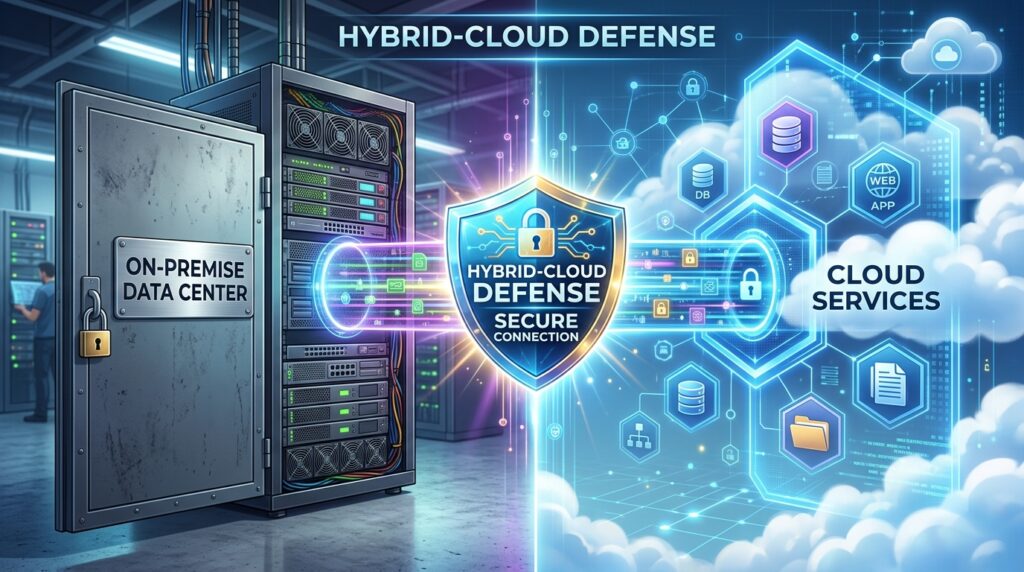
3. Securing the Hybrid-Cloud Matrix
While “cloud-first” is the motto, the reality for most mature African enterprises in 2026 is Hybrid-Cloud. Legacy financial or manufacturing data often must remain on-premise, while new applications run on AWS or Azure. This creates a massive risk: the “connection bottleneck.”
Best Practice: Hardened API Gateways
Every connection between your legacy systems and your cloud services must travel through a hardened, mutually authenticated API Gateway. This gateway must perform full packet inspection, rate-limiting, and deep-threat analysis on every API call.
Best Practice: The unified “Security Pane”
You cannot manage Azure security, AWS security, and on-premise security separately. In 2026, you must utilize Security Information and Event Management (SIEM) and Extended Detection and Response (XDR) platforms that integrate data from every environment into a single view. If a threat enters your on-premise network, your cloud infrastructure must automatically brace for impact.
2026 Cloud Security Readiness Assessment
| Security Pillar | Question for your CTO | Actionable Move |
| Governance | Are our Cloud IaC templates configured to enforce GEO-fencing for NDPR data? | Audit all storage bucket configurations. |
| Identity | Have we moved all privileged accounts to FIDO2 Hardware Keys? | Deploy security keys to IT and Finance teams. |
| Network | Does our hybrid connection use a zero-trust encrypted tunnel with mutual authentication? | Replace legacy IPsec VPNs with SASE solutions. |
| Visibility | Do we have a single SIEM view correlating events across AWS, Azure, and On-Prem? | Consolidate security logging this quarter. |
The Takeaway: Resilient Trust
Cloud security in 2026 is not about a product you buy; it is about the Architecture of Resilience. By embedding data sovereignty rules, identity-first access, and unified hybrid-cloud visibility directly into your operational fabric, you build a business that can withstand both infrastructural drops and advanced digital attacks.
UNESCO: Open Science and Cloud Computing in Africa This discussion highlights the regional perspective on utilizing cloud technology for development while emphasizing the critical need for localized governance and data protection frameworks.